
Research & Development
The development story behind FINTEC, ZNF and Reflexlux.
From research to Reflexlux
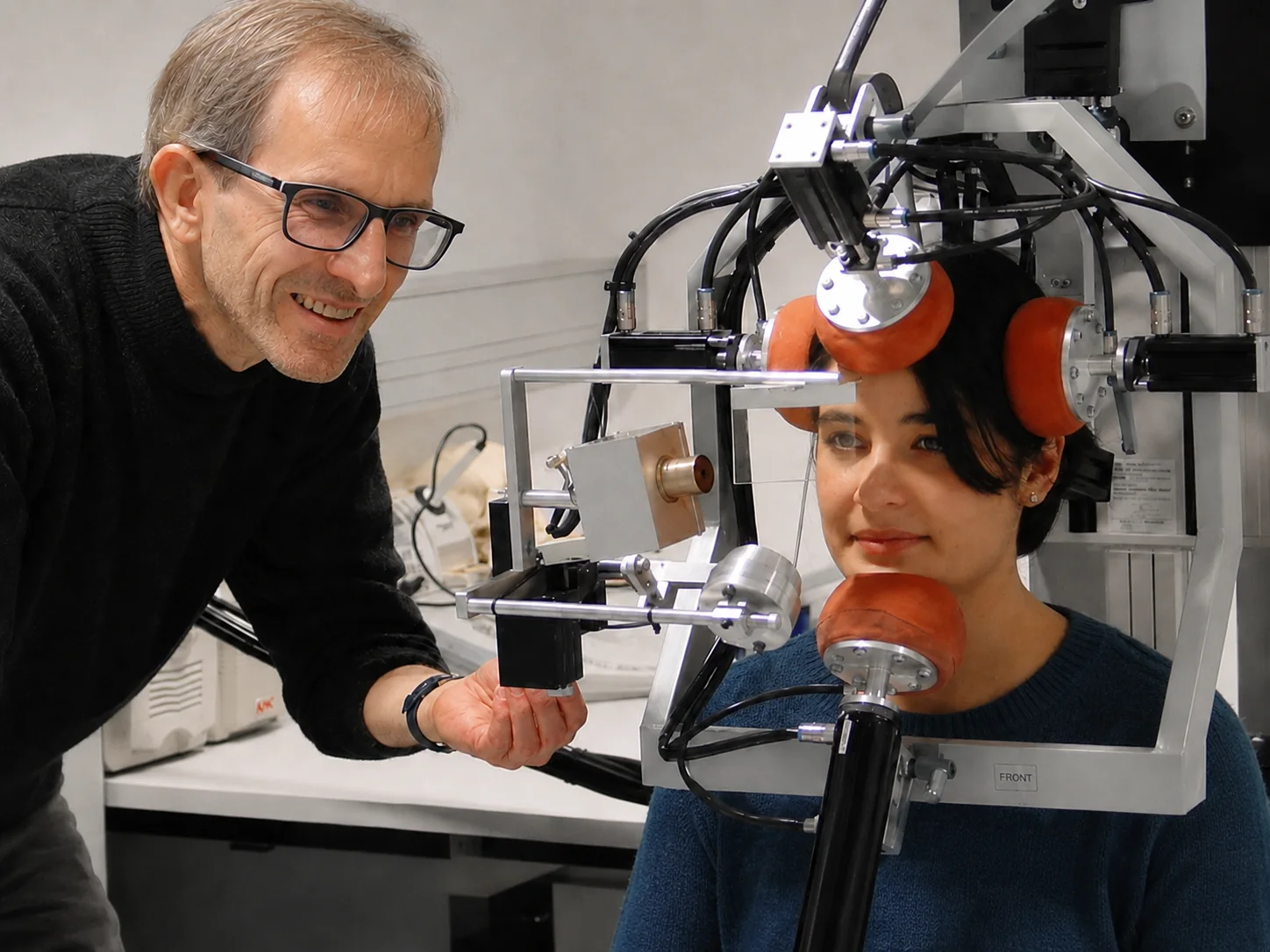
FINTEC GmbH or "Research Institute for Innovative Neurotechnologies" is a subsidiary of the "ZNF gemeinnuetzige GmbH" founded in 2009. The primary goal of FINTEC under the direction of Dr. Ralf Arne Wittling is to develop and market innovative diagnostic and therapeutic methods for disease prevention and early risk detection, building on the long-standing university research work of the ZNF gGmbH.
In cooperation with Johann Haase, who is a proven expert with over 40 years of experience in the field of sports physiology with a focus on the development of exercise programs, innovative products were jointly developed, which initially involved the application of the analysis of the autonomic nervous system by means of heart rate variability analysis for the purpose of training control and training optimization.
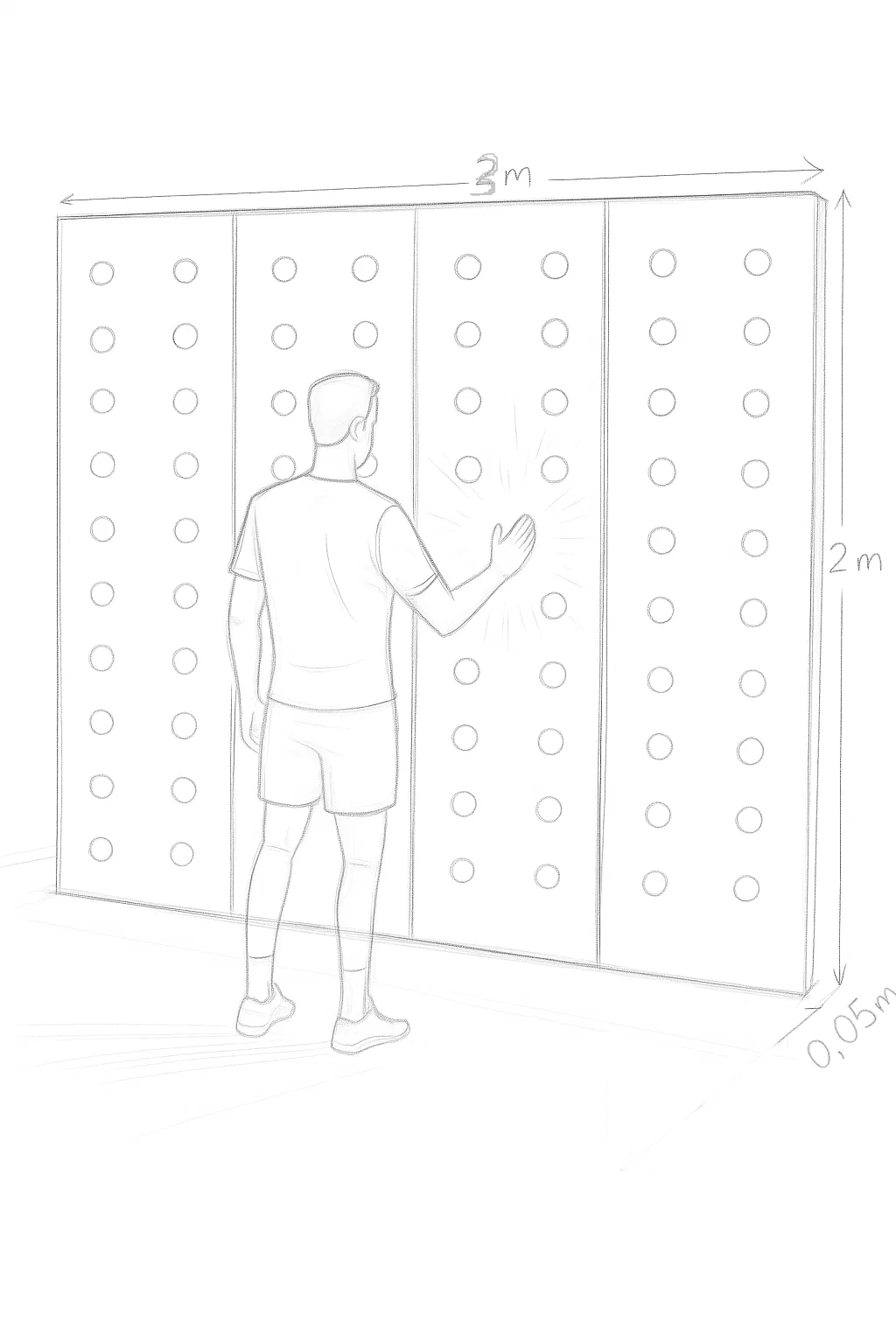
From the continuation and expansion of this cooperation Mr. Haase's idea was realized to develop an interactive sensor-light training device that prescribes spatial motion sequences using light pulses deactivated by proximity sensors.
FINTEC HOLDING AG was incorporated under Liechtenstein law to support international commercialization.
Long-standing cooperation and service contracts with renowned partners from industry, research and health services remain in place.
Over the years, this work has resulted in concepts, consulting projects and customized hardware and software solutions. Selected examples are presented below.
Research and development as the technological foundation
The technological foundation of Reflexlux grew from research and development involving contactless therapeutic systems, visual stimuli, sensor-based feedback and motor learning. A substantial part of this scientific and technological foundation originated from work associated with ZNF. Product development and commercialization of Reflexlux are carried out through FINTEC.
From cooperation to product
The sketch shows how the original concept evolved into an interactive sensor-light training wall. Light signals define spatial movement tasks, while proximity sensors register the user's response.
Selected development fields
The ZNF tradition combines neuroscience, diagnostic methods, custom hardware and software development. Reflexlux continues this line as an interactive movement system.

SensoPress
An apparatus-supported test and rehabilitation system for analysing pressure, reaction speed, accuracy and sensorimotor control.

Vis-A-Top 3D
A neuropsychological diagnostic and training system for visual fields, spatial attention and reaction behaviour.

Sensomotorik Trainer
A computer-controlled system for analysing and training manual motor trajectories with visual feedback.

Reflexlux Movement Therapy System
An interactive sensor-light training wall designed to combine visual stimuli, full-body movement and motor learning.