
Rehabilitation
Reflexlux can be used in both musculoskeletal and neurological rehabilitation.
Regaining confidence in movement
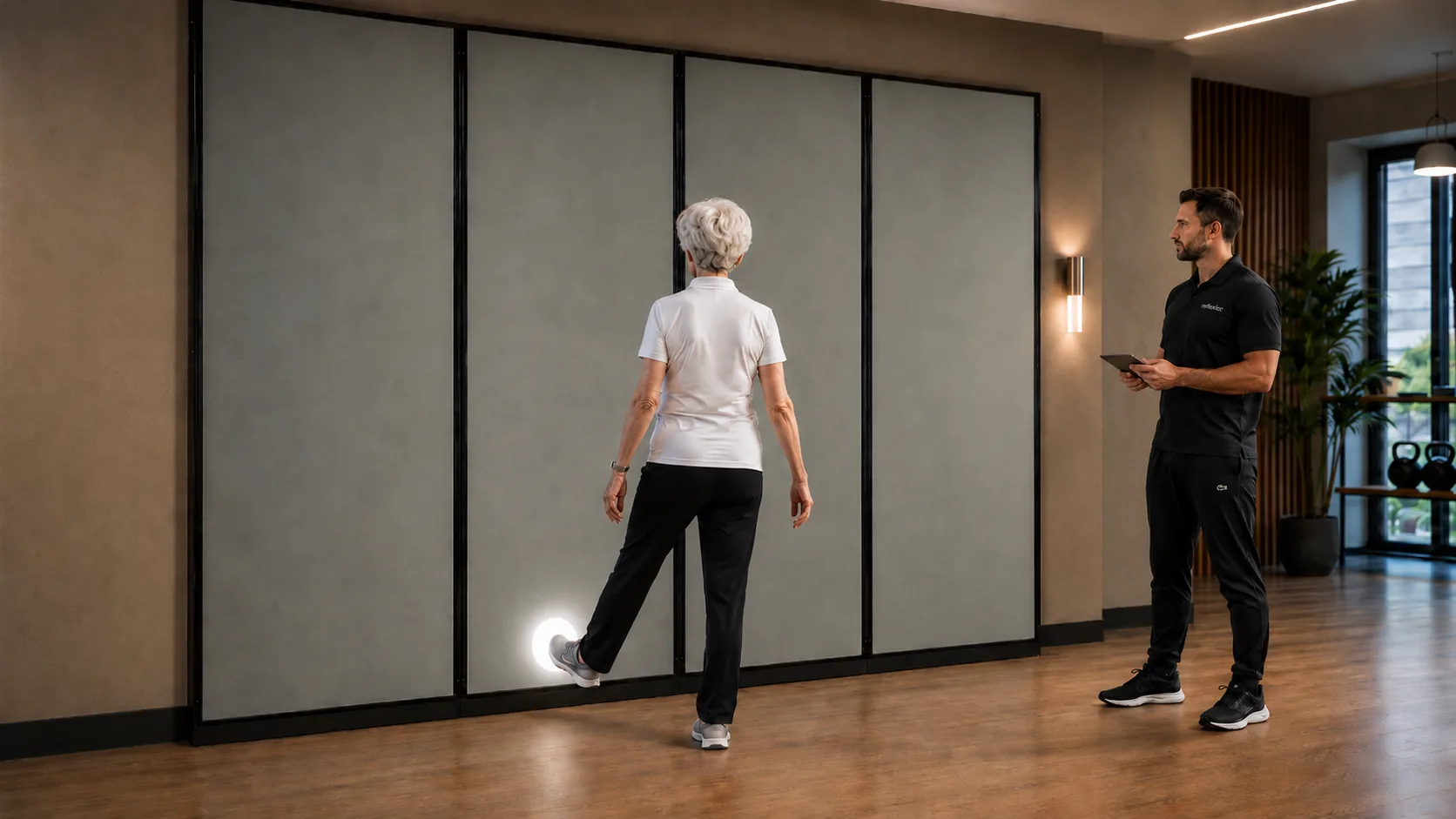
During rehabilitation following sports-related, workplace or accident-related injuries, movement patterns should be restored gradually and safely.
Neurological rehabilitation support
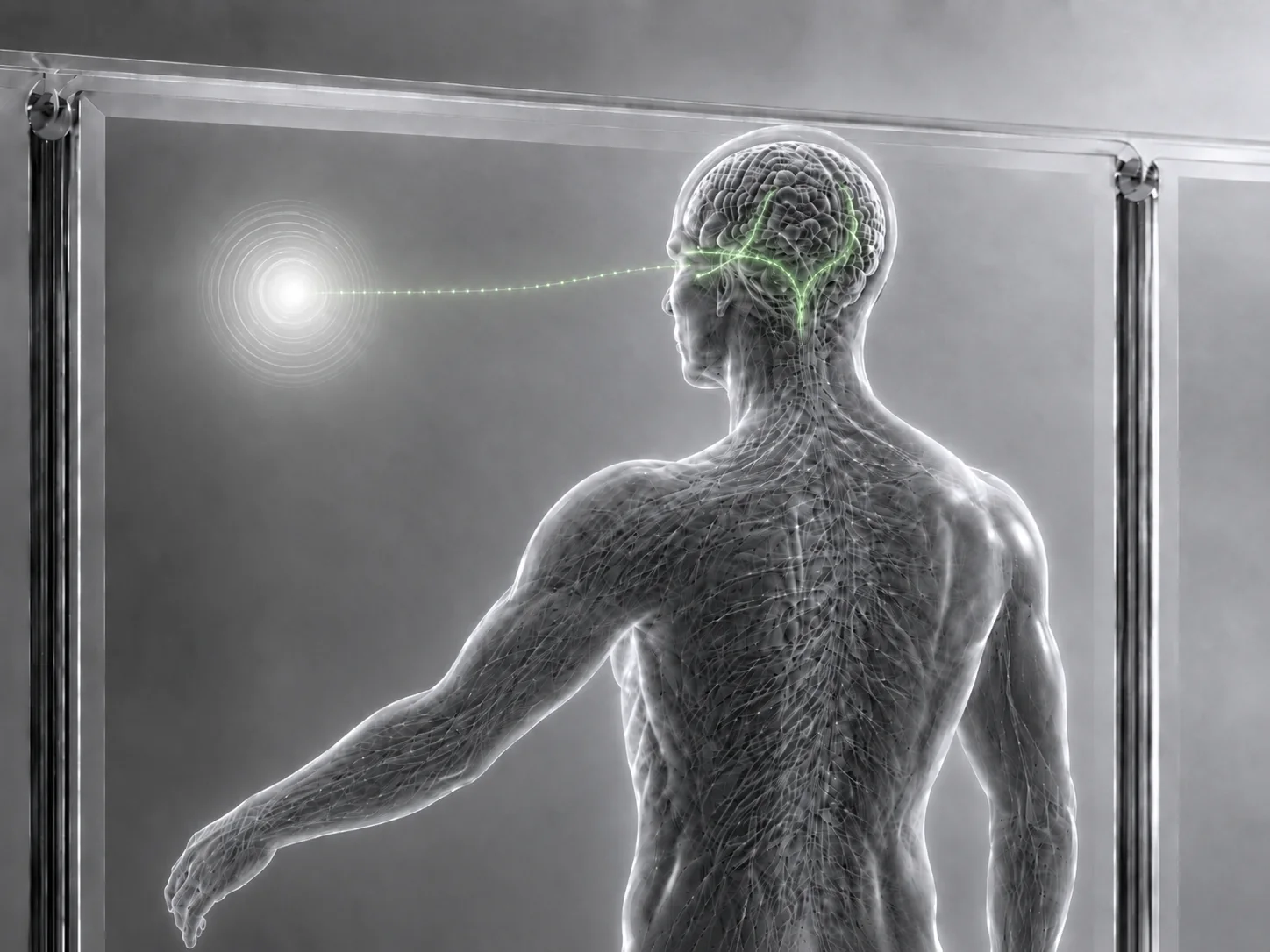
Targeted visual stimuli and adapted movement tasks can complement professionally supervised neurological rehabilitation, for example after stroke or in patients with neurological movement disorders such as spasticity.
Individual support for safe training
Support bars, straps and resistance bands can be attached to the wall and adapted to the therapeutic goal, body position and individual support needs.
Reflexlux and Parkinson's: structuring movement with external cues
With Parkinson's disease, automatic movements may become slower, smaller or more difficult to initiate. External stimuli, known as cues, can help structure movement. Reflexlux uses clearly positioned light targets: each task links seeing, deciding and acting, while touching the sensor provides immediate tactile feedback. Under professional supervision, tasks can be tailored to train movement amplitude, coordination, reaction, balance and gait-related activities. The video explains the approach and shows how visual and tactile cues can be incorporated into training adapted to symptoms, current condition, medication timing and individual fall risk. Reflexlux complements professional care; it does not replace medical diagnosis or treatment. The video is currently available in German. An English-language version will follow.
Reflexlux as an adjunct in addiction treatment
Craving and highly stressful situations can narrow attention and make deliberate action more difficult. Within professionally supervised addiction treatment, Reflexlux can provide a clearly structured sensorimotor task: users perceive light targets, reach them with a hand or foot and receive immediate confirmation. Alternating and bilateral tasks combine attention, movement and direct feedback without complex rules. The video explains how such tasks may be incorporated into therapeutic sessions to practise perception, response and reorientation. Qualified professionals must adapt task selection, intensity and timing to the person's clinical condition and individual treatment goals. Reflexlux does not treat addiction or craving and does not replace psychotherapy, medical care, withdrawal management, crisis intervention or established relapse-prevention strategies. The video is currently available in German. An English-language version will follow.